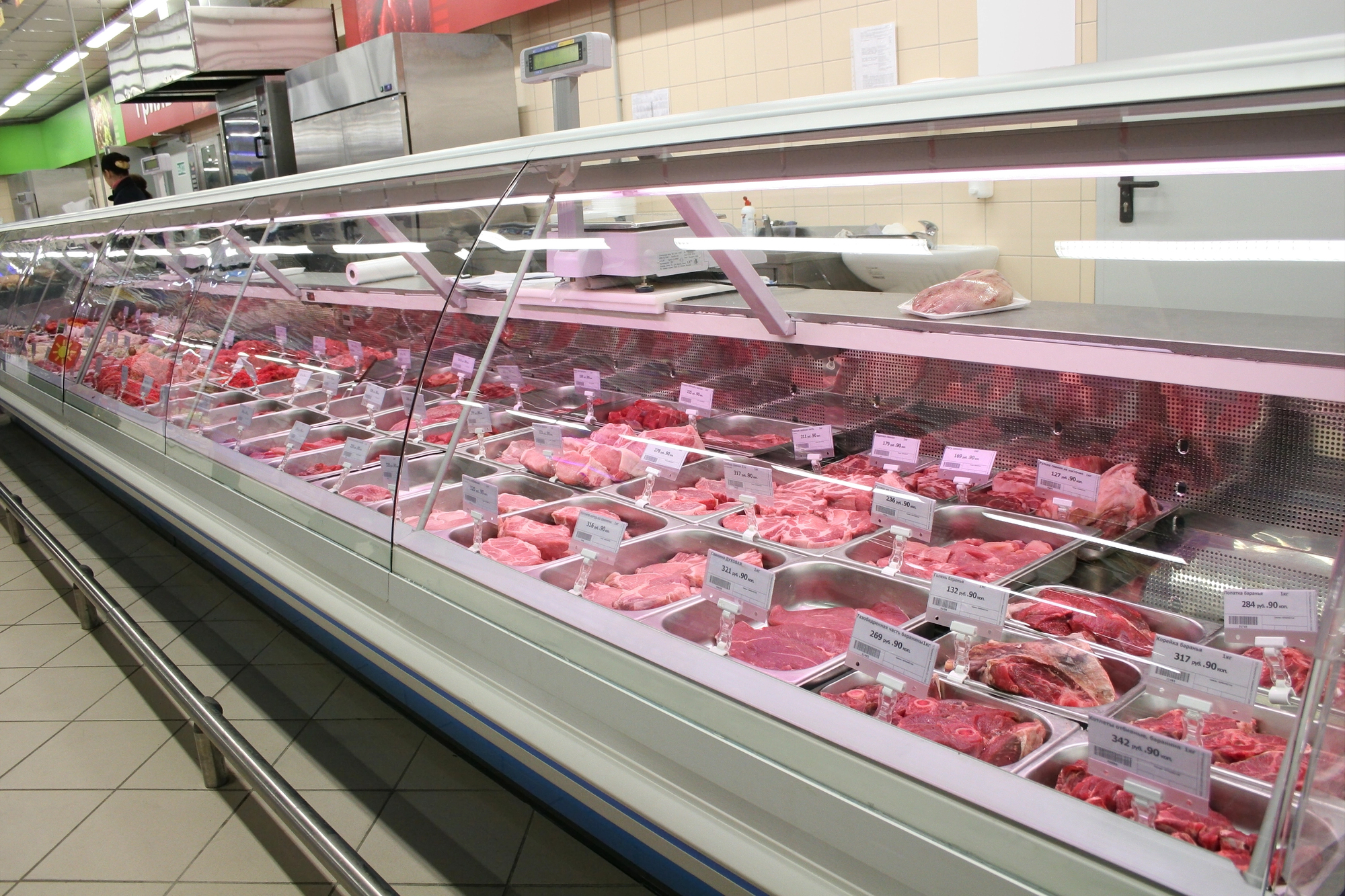
New analysis is signaling that the Trump administration’s plan to lower the tariffs on imported beef has not met the intended goal of lowering prices for consumers.
Faith Parum, an economist for the American Farm Bureau Federation, says her organization studied beef prices at 41 grocery stores in September to measure the impact.
“To see how the price of 80-20 ground beef would change, and we found since September second to September 24, prices only decreased about two percent, with some stores really not changing their price at all. So, even though we’re importing more beef than ever, we’re still not seeing consumers’ price go down.”
Parum says the higher prices can be attributed to a shrinking U.S. cattle herd.
“You know, in the United States, we have a record-low cattle herd size. That’s really reducing the supply of beef in the United States. On top of that, we have limited imports from Mexico due to New World Screwworm, and all of that is causing that supply to shrink. Anytime supply goes down, as we keep having this high demand for beef, that’s going to push those prices up. So, it’s going to take a long-term fix.”
Parum thinks that importing foreign beef is only a short-term fix for what is actually a years-long problem.
“When we think about how do we, long-term, bring prices down for consumers, rebuilding that cattle herd size is number one. Policies like suspending the tariff rate quota actually incentivize farmers and ranchers to sell part of their herd because they are seeing that market volatility, and they’re not getting those signals to rebuild that herd.”