SACRAMENTO – As a historic El Niño storm season develops, Governor Newsom is proclaiming a state of emergency today, mobilizing state resources ahead of potential winter storms and other impacts. The emerging El Niño event is already breaking records, and forecasters expect it to continue to strengthen, potentially becoming the strongest in recorded history. Today’s emergency proclamation streamlines measures to help California prepare for this historic event.
The Governor’s action puts California in a stronger position before winter weather intensifies. It directs state agencies to begin protecting vulnerable communities, prepare roads and critical infrastructure, stage emergency supplies, and help local partners reduce flood, landslide, and coastal risks.
El Niño is a natural climate pattern marked by warmer-than-average ocean temperatures in the tropical eastern Pacific, which can shift weather patterns and bring wetter, more intense winters to California. Climate change can supercharge this natural climate pattern. A study published in the journal Science last month found El Niño events are now more than 36% stronger than before the industrial era, with this trend accelerating over the last 40 years as the planet warms.
Today’s emergency proclamation mobilizes state resources and streamlines procurement to prepare for El Niño’s anticipated impacts, like strong storms and coastal flooding. Among the actions ordered, the emergency proclamation directs state agencies to lead the state’s flood-risk-reduction efforts, stage flood-fighting supplies such as sandbags and pumps, and pre-position other critical equipment. Caltrans will stage traffic-control, road-closure, and snow-removal equipment along the highways most at risk. The proclamation also prepares the California National Guard to support flood response, search-and-rescue, engineering, and logistics missions when needed. State environmental and natural resources agencies will support local efforts to prepare for flooding, landslides, and debris flows, by fast-tracking permitting and identifying other ways to cut red tape.
“We are not waiting for this season’s storms to be on our doorstep,” said Cal OES Director Caroline Thomas Jacobs. “Cal OES is leading California’s statewide efforts by bringing state and local partners together, conducting advance planning efforts, and identifying potential needs before impacts occur. By planning early and coordinating resources ahead of El Niño, we are working to ensure communities and first responders have the personnel, equipment, and support they need to prepare for severe weather, respond quickly when conditions change, and protect lives and property across California.”
“California is already taking steps now to protect communities from a potentially historic El Niño because we know how serious these weather extremes driven by climate change can be,” said California Natural Resources Secretary Wade Crowfoot. “Through the Governor’s state of emergency, we’re cutting red tape and fast‑tracking the flood‑protection and broader preparedness work communities need now. We’re mobilizing with our partners to safeguard people, infrastructure, and natural resources before the worst storms arrive.”
The proclamation also directs the Governor’s Office of Emergency Services, in consultation with relevant state agencies, to expand accessible, multilingual public preparedness communications related to severe weather, flooding, emergency alerts, evacuation readiness, power outages, and more.
This fall and winter could be dangerous, and Californians should take it seriously. Federal forecasters say El Niño is strengthening, with a greater than 90% chance of a very strong event this fall and winter and a 75% chance it could reach historic strength. In plain terms, the Pacific is unusually warm, and that warmth can shift storm tracks and load the atmosphere with more energy over the months ahead.
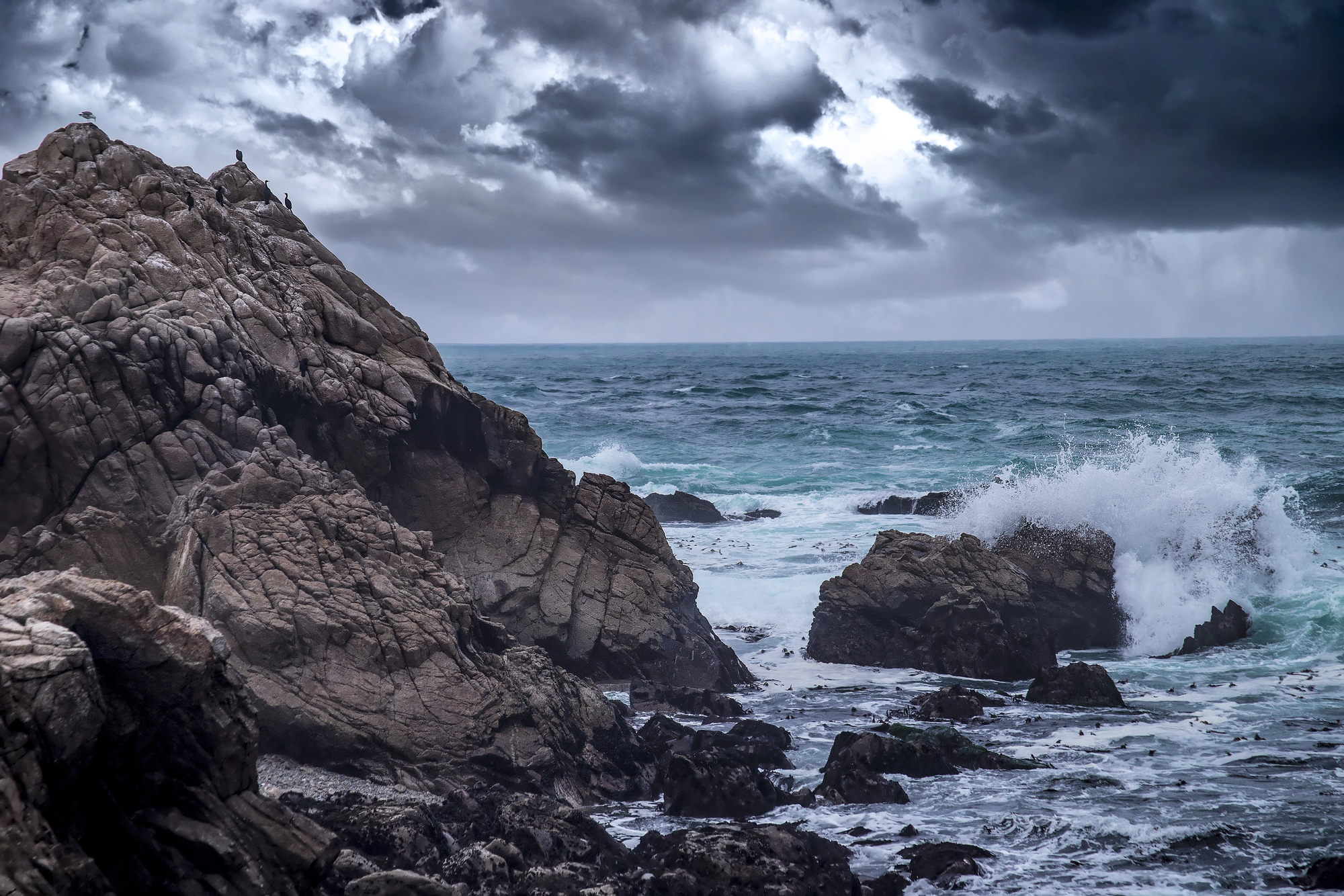
For California, that can mean repeated rounds of heavy rain, strong winds, mountain snow, flooding, landslides, debris flows, large waves, and coastal flooding, especially when storms hit during very high tides. For families, that can mean roads closed by flooding or rockslides, power outages, neighborhoods cut off, damage to homes and businesses, and fast-changing conditions that leave little time to react.
That is why Governor Newsom is acting early, and why residents and homeowners should act now too: know their flood risk, clear drains and gutters, sign up for alerts, and make a plan before severe weather arrives.